




Jaroslaw Krywonos
2 days ago
Professional, relaxing consultation and treatment …. Dr. Amir dare I say it boarders on the old school patient doctor relationship… equal respect and more than willing to listen. Did not feel rushed EVERYTHING was explained… Highly recommended!!!

Faheema Hussain
2 days ago
Dr. Amir is patient, deeply knowledgeable, and genuinely cares about his patients. He
took the time to listen to all my concerns, explained my treatment options clearly, and made me feel completely at ease.
He walked me through every step of the process without rushing.

Paula Rooney
4 days ago
I went back to see Dr Akhmir although my hip injection worked a treat reducing groin and front hip pain, I was still having a lot of pain from my lumbar region that wasn’t improving ( in fact getting worse )
I have had disc problems for years.
I am still on the NHS waiting list and couldn’t cope with the pains and discomfort anymore.
I had the injection on my spine, which I’ve always had before at the NHS hospital before.
I was unsure about having this injection without being in a hospital setting.
However Dr Akhmir again put me at ease, was very professional, very informative and very caring about my worry’s.
I am slowly recovering but the instant difference from when I walked into his office to now is unbelievable !
If I’d have known someone with this experience and understanding, could perform the spine injection, I’d have gone sooner.
I can’t thank him enough for looking after me and I’m sure further down the line I’ll most likely need to go to him again.
Do not hesitate to go and see this Dr even if you need clarity of your condition,
That alone has been worth the visits.
Thank you so much once again Dr Akhmir

Liam Mcmullen
2 weeks ago
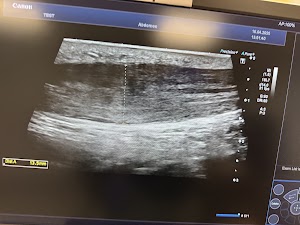
I had an appointment with Dr Amir Akhtar in Manchester and the appointment went extremely well, in the past I have been to many places including the NHS about my knee issues and I never got an answer to what was the injury problem was. Dr Amir Akhtar performed a scan on my knee to determine what was the issue, by the end of our appointment I was told of my injury which was patella tendinitis, Dr Amir Akhtar gave me a cortisol injection in my knee and I can honestly say that this has help massively, I also received a thorough guide for the aftercare and I’m also receiving aftercare messages to see how I’m getting on. The service from Dr Amir Akhtar was absolutely excellent and I would definitely go back if I had any other issues in the future. 💯 recommend to anyone who wants a good honest injury expert.

John O'Connor
3 weeks ago

Danalache George
4 weeks ago
Thank you so much. After I had the injection, the pain decreased significantly, and I can enjoy life again. I would like to thank Dr. Amir he is very understanding and empathetic person regarding patients' issues.

Mark Dowd
1 month ago
I can't rate this experience highly enough. I presented with a prolapsed disc. There was a thorough assessment and examination. I had a "laminal epidural corticosteroid injection" and after 15 days of excruciating pain, the treatment was immediately effective. Five star experience "

Raymond Mcstravick
1 month ago
Very good service helpful and very friendly

Dave Hunt
1 month ago
Great service and care from Dr Akhtar. Thanks

FullMotion Physio
2 months ago
I've had a great experience working alongside MyMSK Clinic in Manchester city centre. As a physiotherapist, I regularly refer patients to Dr Akhtar and have always been impressed by his thorough and professional approach.
He takes the time to properly assess each patient and consider the most appropriate treatment options. What I particularly value is that he doesn't simply recommend or perform injections without good clinical reason — every decision is carefully considered with the patient's best interests in mind.
It's reassuring to have a knowledgeable and trusted clinician to refer my patients to, and I would highly recommend Dr Akhtar and the team at MyMSK Clinic.
Khuram - Full Motion Physio

Corrective Pain Relief
2 months ago
We’ve been really pleased with our experience referring patients to My MSK Clinic. They provide a professional and efficient service, with access to specialist musculoskeletal assessment and ultrasound-guided injection therapy when appropriate. Having a trusted local clinic we can confidently refer patients to is incredibly valuable, particularly when they may benefit from additional specialist input alongside their ongoing treatment and rehabilitation. Highly recommended by the team at Corrective Pain Relief.

tracey corns
3 months ago
All I can say is what an excellent experience. I got more information about my condition than I have from the NHS in the last 4 years.
Consultation with no pressure to continue with the treatment. I had a Caudal epidural injection yesterday and have just completed Shopping trip around the local supermarket virtually pain free.
Thank you soo much Dr Akhtar

Heather Rogerson
3 months ago
Dr. Amir Akhtar was excellent from start to finish. I booked my consultation on Tuesday and was seen by Thursday, which was a huge relief as I was in so much pain. During my appointment, he carried out an ultrasound that identified two calcific deposits and explained everything clearly. I then had a steroid injection and barbotage treatment.
Over the next few days, the pain in my shoulder eased significantly, and the movement in my arm improved dramatically. I am now almost back to full range of motion. Dr. Akhtar was professional, knowledgeable, and reassuring throughout, and I felt I was in very capable hands. I would highly recommend him to anyone seeking prompt and effective treatment.

Samantha Dalglish
3 months ago
Dr Akhtar was amazing. He thoroughly went through my medical history, and did a thorough examination. On the same day I had both the injections I needed. Very grateful and would definitely recommend

Jatinder Sahota
3 months ago
I am happy to share my experience. I was in pain for about 3 months running from buttock, side of my leg and all the way down to my toes. I could not stand or walk for more than two minutes. I was in constant pain and living on pain killers before I took decision to take the injection. Dr Akhtar is amazing he explains everything very well and answers your questions. It’s been 3 weeks since I had the injection I can say that I feel so much better, I can stand and walk now. I have gone back to work last week and started to enjoy my life. Thank you again

Tom Mullen
4 months ago
I was very impressed with Dr Akhtar’s advice and detailed diagnosis of my elbow injury, with a scan carried out instantly, which he talked me through. He contacted me for a follow-up call a few weeks later, which was impressive. Would recommend MSK 100%

Marie Mccaffery
6 months ago
I went to see Dr Akhtar for a steroid injection in my knee following inflammation. Dr Akhtar was so professional and caring and helped to discover the root cause for my severely inflamed knee.
The injection has helped me greatly and I would not hesitate to recommend Dr Akhtar for any treatments in his clinic.
Fantastic service.

antonio di giandomenico
6 months ago
Highly recommended, Dr. Akhtar was very professional and thorough. He investigated the issue using ultrasound before taking any actions and also helped me understand potential implications. I actually feel better after treatment (shoulder injection). The place is also situated right in the city centre, so 5 stars!

Gillian Dick
6 months ago
My elderly mum had an appointment 22nd April with Dr Amir Akhtar who gave my mum a guided ultra sound steroid injection in her shoulder. The consultation was empathetic, thorough, informative and has given mum excellent relief after been warned by Dr Amir Akhtar that the sucess rate was very slim and may not last very long due to the severity of her advanced osteoarthritis. However mum is delighted with even a short (2 weeks and counting) reprieve. We would not hesitate to recommend or indeed return to this clinic.

Michael Peacock
6 months ago
When I met with Dr Akhtar he immediately put me at ease and provided excellent care. He completed a thorough assessment of my condition and provided a clear breakdown of our discussion, including the next steps for my care. He promptly followed up with the information in an email.
I feel much more confident about the treatment plan we discussed. I can highly recommend his service.
Michael P.

Hook Staar
7 months ago
Very good experience with My MSK Clinic in Burnley.
I saw Dr Amir Akhtar for a painful recurrence of sesamoiditis / forefoot pain. He assessed the area carefully, used ultrasound to check what was going on, and only proceeded with injection once he was satisfied it was appropriate. I valued that he was clear, direct, and clinically grounded rather than just rushing through the appointment.
He also explained the wider mechanical picture well, including how compensation from other ankle problems may be contributing. The treatment was carried out there and then, and the whole process felt efficient and professional.
A helpful and thorough service. I would recommend them.

Jill McCarthy
9 months ago
Very helpful doctor who explained the procedure and gave me a realistic view of how successful the procedure would be given my age and severity of my condition. This was prior to the procedure, so I could decline treatment if I wished. He was in no hurry during the procedure and pointed things out to me on the scan.
Overall, I would certainly recommend this clinic and clinician. It was excellent care. I am pleased to say that I am noticing some improvement in my knee following the injection and am now saving to have my other knee treated. I will definitely be returning to this clinic.

Fariborz Mohebati
9 months ago
I was very impressed by the service i received at the Clinic. Dr. Akhtar was very meticulous in explaining the procedure and the procedure was painless and extremely effective. I felt relief within a few seconds after the injection. Thank you MyMSK.

Aneeqa Khan
9 months ago
We attended the Burnley clinic last month after several years of trying to find help and support from different professionals. From the moment we arrived, my mum felt truly listened to and heard by Dr Amir Akhtar, which made such a difference to her overall experience.
She received ultrasound guided hydrodissection of the Baxter’s nerve, and since the treatment she has reported a really positive improvement. Her pain has reduced significantly, and she feels much better in herself, more comfortable driving and able to go out for walks again, which she hasn’t been able to do for quite some time.
The improvement has been remarkable and we’re very grateful. She has also noticed that she is now able to move her toe more easily, and the pain in her heel at night has reduced, helping her rest more comfortably.
Thank you for the care, support, and treatment it has made a real difference.

Yaser Ahmed
9 months ago
This is my second visit to MSK Burnley for treatment on my rotary cuff. A very professional service by Dr Amir who helped ease my pain with cortisol injections via ultrasound. I would highly recommend this clinic for small procedures with a brilliant service from start to finish.

Stella Ellis
10 months ago
Dr Akhtar consultation was brilliant. So patient, understanding and knowledgeable. I would highly recommend MSK to everyone who needs a cortisone injection. Worth every penny and if I need further treatment this is definitely where I would go again. Thank you Dr Akhtar!

Susan Lee
10 months ago
Visited the Burnley clinic a couple of weeks ago with sciatica and had a consultation with Dr Akhtar with regards to a caudal epidural injection. Dr Akhtar explained the procedure and off we went. Can't say it was a pleasant experience but Dr Akhtar was lovely and reassuring and followed up with me after about 12 days.
I definitely feel the injection has worked and I'm hoping it allows me to get some quality of life back.

Tom Beebe
10 months ago
Great experience at Burnley. My knee swelling and stiffness has greatly improved. Allowing my to continue running and cycling on a daily basis. Grate service. Just goes to show how we can take pain free movement for granted. Great job.

B Fog
10 months ago
It was a Fantastic experience from start to finish.
Dr AKhtar has your best interests at heart at al time. Dr AKhtar was really thorough when. investigating my hip and knee.
It was so refreshing to meet Dr Akhtar,
I will recommend him to my family and friends should they need a specialist.

Andrew Rexstraw
10 months ago
I had an appointment with Dr. Amir Akhtar to receive an injection for crippling pain in my shoulder. When he saw the results of the Ultrasound scan he realised that my shoulder was so damaged that he didn’t believe the injection would help me, so he would send the scan results to my GP. He did what he could to help me. He was fantastic.

Shoaib Anjum
10 months ago
Dr Akhtar is very professional and knowledgeable. Thorough assessment, clear explanations, and a prompt MRI referral. I felt listened to and reassured. Would definitely recommend.

Mark Kinnell
11 months ago
My usual experience of private health is a very expensive consultation, followed by even more expensive scans and after that the actual treatment. Dr Akhtar does everything in one appointment and at a fraction of the cost. He also listens and takes his time to understand the problem. Very happy to have found mymsk clinic.

K Winst
11 months ago
Dr Akhtar was recommended to me recently for my injury / joint pain.
I booked my appointment online and got so much more than I expected on the day of my appointment.
The level of detail that things were explained to me in was fantastic but also done in such a way that it wasn’t overwhelming. I’m at the start of a journey to recovery but have so much confidence I am in great hands and off to the best possible start!!
The evening following my appointment I received some emails of; advice, follow up care, recommendations of the best splint to purchase, images taken from my scans and even a copy of my letter that is going to the GP!
What a fantastic service, one would have to wait weeks if not months for this kind of feedback on the NHS and the cost of everything was very reasonable too.
Thank you very much for everything , I really appreciate your time and approach towards my issue.

teddy tew
11 months ago
My mother received treatment at this hospital after she fell and injured her shoulder. She was experiencing a lot of pain, but after getting an injection from the medical team, her pain eased significantly and she began to recover quickly. We are truly grateful for the care she received. I highly recommend this clinic to anyone looking for effective and compassionate treatment.
Thanks 😊

Frank Walker
11 months ago
I visited Dr Akhtar as I have been struggling with neck & arm pain for a while now and have been waiting on an NHS appointment to see a musculoskeletal specialist. With the nhs waiting list so long I got my GP to write me a referral letter out so that I could have it looked at privately and as soon as possible. I found MSK clinic online and gave a call one evening to be booked in at 8am the following morning. Dr Akhtar was amazing, he thoroughly examined me and explained everything to me in fine detail ensuring I was understanding the diagnosis. He has also advised and recommended aftercare through an osteopath and advised me if I need any help or have any questions to get back in touch. I can't recommend him highly enough.

Sara
11 months ago
Safi Urahman was helpful and gave really useful feedback when I emailed with some queries about shoulder hydrodilatation. Even though I was not a current patient, Safi still took the time to respond quickly to my questions and would have been happy to clarify anything else had I needed to ask anything further. Thanks very much, great service.

Alison Gorman
11 months ago
I recently visited My MSK for an assessment and cortisone injections in my spine after a car crash left me with severe sciatic pain, and I honestly cannot praise this clinic enough. From the moment I walked in, I felt reassured. The clinic itself is beautiful, calm, and welcoming — exactly what you need when you’re anxious and in pain.
Dr Akhtar was everything you could hope for in a specialist: friendly, incredibly knowledgeable, and, most importantly, truly listened. He took the time to understand my pain and concerns, and for the first time since the accident, I genuinely felt hopeful. I’m only 48 hours post-injection, but already the difference in my outlook is huge.
A special thank you goes to Safi, who has been nothing short of exceptional. Safi has handled my endless emails with patience, kindness, and professionalism, and their support has made this whole process so much easier. They genuinely deserve recognition for outstanding customer care.
I was originally going to wait seven days before leaving a review, but honestly, this clinic has already proven itself. I would return here time and time again without hesitation, and I would recommend My MSK to absolutely anyone in need of expert, compassionate care.
Thank you to Dr Akhtar, Safi, and the entire team for giving me hope again. An effortless 5 stars. 🌟🌟🌟🌟🌟

lewis baylis
2 years ago
Dr Akhtar offers excellent prolotherapy injections for lax ligaments. He’s very thorough and detailed with the injections and he covers each area comprehensively. He takes the time to understand the problem and explains everything fully. I’m very happy to have him treating me.

Craig Heiwtt
2 years ago
Great customer service, experience and an amazing clinic!

Wayne Duxbury
2 years ago
From my first consultation MyMSK have been amazing throughout, thank you for helping me.

Ny3 Parton
2 years ago
I had my appointment with Dr Akhtar, who was receptive, understanding and knowledgeable throughout the session. The facility itself was easily found, clean and professional. The equipment within seemed fit for purpose and up to date with modern standards. There was an offer of further treatment, though no pressure was applied after I refused.

Ishtiaq Ali
2 years ago
Amazing service and treatment from My MSK. Was struggling with ankle issues and getting through the NHS was impossible and so turned to Dr Akhtar.
Got an appointment really quickly and the consultation was in depth with a scan showing me the exact problem. Treatment options were given to me with associated costs along with exercises to support in the interim.
Dr Akhtar is really helpful and knowledgeable and I can’t thank him enough for his support which included a direct referral to hospital for other support.
Thank you

Fab G
2 years ago
Dr. Akhtar is a specialist when it comes to back issues. I suffered from lower back nerve pain for years, and his expertise made a significant difference in my recovery. He took the time to diagnose my condition accurately and recommended injections that provided immense relief. His approach is professional, compassionate, and highly effective. He explains everything clearly, ensuring patients feel comfortable and informed. The procedure was smooth, and the results were outstanding. I highly recommend him to anyone struggling with back-related problems.

Emma Bache
2 years ago
Great service, very knowledgeable and made me feel at ease with what was going to happen. I was also given after procedure advice which was great.

Abbas Shah
2 years ago
Great professional advice given.
I had an amazing experience with this company.
Dr Akhtar was reliable, honest and operates with integrity.
I would highly recommend MYMSK Clinic.

david barton
2 years ago
Dr Akhrar was absolutely brilliant. Great to chat to and did a fantastic job with my knee injections, I didn’t feel a thing. The only issue is his choice of football team :). Highly recommend and I will be back in six months to get my top up.

Mr Khan
2 years ago
I had a number of issues that the Normal Doctors just couldn't fix, I went to this private clinic and the Specialist Doctor just seemed to understand my body and condition within the first consultation. He's completely fixed me. I highly recommend MY MSK Clinic.

Benjamin Ellison
2 years ago
Great service and very professional. I would definitely recommend.

rogerslack
2 years ago
ONEHUNDREDPERCENT

Mark Walsh
2 years ago
Dr Amir Akhtar
Took my partner to see amir
Could not praise him highly enough
Partner was in pain for 5 days,hardly any sleep.after a few cortisone injections she was able to sleep.
Dr amir tells you the way it is
Did a full report for the gp recommending future action required
Then we got a phone call today of amir to see how my partner was doing.
Dr akhtar very professional in his work

Craigey
2 years ago
Very efficient booking procedure and speedy consultation. Dr Aktar gave and excellent diagnosis and advice.

Heather Winters-Lowe
2 years ago
I took my grandma to see Dr Akhtar for ongoing shoulder pain. We couldn't have asked for a more thorough appointment. He took so much care with examinations and explained everything properly. He talked about the risks and benefits of the procedure and ensured any questions were answered. It turned out my grandma has more going on than we thought so he even wrote to her own GP asking for further investigations. Overall would definitely recommend Dr Akhtar very lovely and professional, reasonably priced and did not rush at all.

Luana Di Marco
2 years ago
I recently visited Dr. Akhtar for a cortisone injection to treat my Morton’s neuroma, and I couldn't be happier with the experience.
From the very beginning, Dr. Akhtar showed exceptional professionalism, honesty and genuine care, taking the time to explain the procedure in detail and addressing all my concerns.
He explained any symptoms that may occur post injection and the time for it to become effective.
Thank you doctor!

Julie
2 years ago
I had the pleasure of meeting Mr.Akhtar today, I have been having a lot of discomfort in my neck and shoulder,I finally feel I am making progress after a series of NHS appointments that were not really helping me.
I felt really at ease and was able to explain what was wrong with me in a relaxed atmosphere.
Can ‘t recommend enough
Also the building is so beautiful inside😊

Nicholas Gough
3 years ago
I had been experiencing ever worsening hip pain for the last two to three months. As a climber, mountaineer and walker my three to seven hour walks had shrunk to one to one and a half hours before the onset of major hip pain. The physio I was attending gave me a 'heads up' on hyaluronic acid injections and the benefits that pro footballers were receiving. I saw Dr Amir at very short notice, a week before the trip. Dr Amir was extremely honest in pointing out, somewhat disappointingly, that under normal circumstances it took three weeks+ to get the real benefits. He gave me a combination of Cortisone and hyaluronic acid into my hip to help speed up the pain relief. I am back from Chile having walked in the Patagonian mountains for six to seven hours on two occasions, 95% pain free. I can unequivocally recommend Dr Amir, I am about to have further treatment on my right hand, and my wife who also has hip challenges has just made an appointment to see him.

Rob Cuffe
3 years ago
48 hours before I was due to run the London Marathon my feet were in agony and I was seriously doubting that I would be able to complete it. After seeing Dr Akhtar he gave me perfect treatment and on the day I was pain free and able to run the marathon and even get a PB.
He was very informative about what he was going to do and what was causing the issue.
He was very friendly and I will 100% be recommending his services to anyone that needs help.

Arun mottershead
3 years ago
I was in desperate need of help for sholder pain. I called mymsk and was able to be seen next day. I saw Dr. Amir Akhtar who was amazing he was very professional and knowledgeable. My treatment was painless and worth every penny. I would definitely recommend for anyone in pain.

S Harris
3 years ago
Dr Akhtar couldn’t be more helpful and accommodating, very patient, highly informed. Lovely guy too. Really recommend. Simon

andrew Okeregha
3 years ago
Excellent service, very knowledgeable and accommodating

Fraser Astley
3 years ago
Following a significant spinal and pelvic injury I have spent the last 20 years under the 'care' of many so-called experts. Some of these have been well meaning, though incompetent, and others nothing more than snake oil practicioners so by now I know who is genuine. I limped into the consultation room believing that I needed a PRP Injection in my Sacroliac Joint. After a thorough assessment and discussion with Dr Akhtar it was agreed that a Caudal Epidural was more appropriate for my condition. This was absolutely the correct diagnosis and I attribute that to his medical knowledge and experience but more so the interest and care he takes to understand assess the condition. After 1 hour and 1 treatment my pain was significantly reduced and has remained so. My initial injury was life changing and it requires life long maintenance. When you are in a position such as mine you need the help of genuine experts and these are incredibly hard to find. I am incredibly fortunate to have found Dr Akhtar and I am recommending his services to my friends and family.

Kelvin
3 years ago
Good honest Dr. He referred me for an MRI due to neck pain I have had for 5 years. He explained the results to me over the phone and sent me the information I need to look after myself via email. The entire process only took 3 days and I'm surprised I only had to book one session. Many thanks.

Peter Macfarlane
3 years ago
Very good service, listened and provided great advice

Irfan Chaudhary
3 years ago
Presented with my 9 yr old, who sustained an ankle injury. Thorough history and examination, including immediate ultrasound scanning to promptly diagnose the condition accurately.
I would highly recommend this clinic, very professional staff, with special commendation to Dr Akhtar. An experienced clinician in the field of MSK medicine, a credit to his profession!

Helen Roberts
3 years ago
Felt reassured by my assessment, advice and treatment. Ultra sound guided steroid injection carried out at the first appointment and already I’m feeling benefits after months of shoulder pain. I work in the nhs and due to waiting lists for this treatment I had no option but to seek private treatment but I’m so glad so did. The doctor even identified a potential vascular issue that my gp has escaped to notice, which he kindly said he would write to my Gp regarding these concerns. Fantastic service- I would definitely recommend .

A Matloob
3 years ago
Had a recent consultant and treatment for a longstanding right knee injury from weight training and regular half marathon runs. Conservative measures had not help so made the long trek from the midlands to seek the help from Dr Akhtar. His reviews are a true testaments to the care received. Very knowledgeable and relaxed and helpful demeanour from the doctor. Had cortisone injection of the knee joint. For someone with a fear of needles, the doctor put me at ease and did not feel a thing! So far I can feel the improvements and made fully aware of possible further maintenance and exercises needed. Would not hesitate to go back to this clinic, a true hidden gem up north!

Hareem Ansar
3 years ago
Absolutely loved our experience at MSK with Dr Amir and left feeling very satisfied. The way the treatment options were clearly explained with the pros and cons of each and proper advice on which option would be the best made everything much easier. Simply the best experience at a clinic with outstanding results after the treatment.

Luke Pollard
3 years ago
Brilliant service at MyMSK always, I have been going here for 2 years now for help with my shoulders ( I have calcification in my upper bicep tendon ) I always receive a thorough ultra sound to check the areas incase of any new injuries formed. the treatment I receive is a cortisone injection into each bursa which completely kills the pain in my whole shoulder area right and left as both are bad. This allows me to exercise again and sleep better. Amir is a really nice person also, makes you feel comfortable from the start and it generally feels like he really cares about his patients. I will continue to use MyMSK forever.

JM
3 years ago
Dr Akhtar provided an excellent service he was very pleasant and professional, he explained everything. I had my facet joint injection,been suffering with pain and after the injection I am already feeling the benefit as the pain is easing out... I am really grateful to Dr Akhtar and I would highly recommend him.

Shaun Clews
3 years ago
Made a visit to My MSK and saw Dr Aktar - I was struggling with severe sciatica pain and wanted to pay for an injection to relieve the pain.
However during the consultation Dr Aktar explain that the injection might not be the best course of action, he gave me some excellent advice and explained in detail what was wrong and how that was causing the painful symptoms.
I left feeling much more informed about my situation and after following his instructions my symptoms have improved massively.
I really appreciated the good advice and felt it was far more beneficial than other places who would have just taken my money for the injection and not really considered the actual root cause.

Michu Paw
3 years ago
great service

Charles W
4 years ago
Been struggling with a bad back for a few months and couldn’t seem to get it sorted no matter how many chiropractors or osteopaths I went to. Had a consultation with MyMSK and within a week had treatment. Kind staff and make you feel at ease when having treatment.
Would recommend to anyone!

Ghazala Seedat
4 years ago
The clinic was in a clean, modern and well-equipped building. We were greeted by a pleasant and friendly receptionist and did not have to wait long to see the doctor. Dr Akhtar was pleasant and professional and set my mum (his patient) at ease. He injected her joint with obvious skill and expertise and was confident in giving advice on the diagnosis and what to expect. It was a pleasure to attend the appointment.